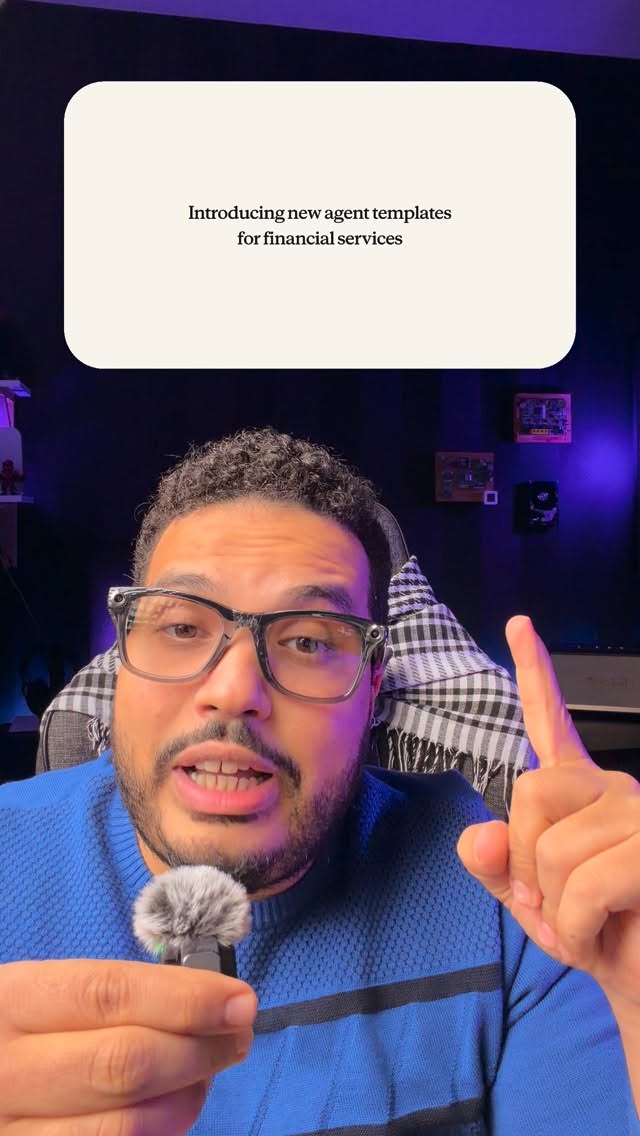
According to Abdul Osama (عبدول أسامة), the main idea behind Claude Opus 4.8 is moving beyond help with a small piece of code toward coordinating AI agents on a larger task. He calls the capability Dynamic Workflows in Claude Code, a tool for working on coding tasks with AI. The version and feature names, as well as the performance claims, need independent verification.
“It can split a big task into smaller tasks and distribute them among AI agents working in parallel.” — Abdul Osama
How would the workflow differ?
Abdul describes assigning each agent a role, letting agents work on separate parts of a task, and having them review one another’s work. His example is a migration—moving a project or part of it to a new setup or structure—rather than asking for a single bug fix.
| Smaller request | Larger task described in the video | |---|---| | Help with a function or bug | Split a migration among agents that work in parallel and review the results |
He also says the model is more willing to admit uncertainty. He recounts a personal example in which it acknowledged making up information. Abdul attributes claims of better reasoning, stronger benchmark performance than GPT 5.5, and longer periods of work without constant supervision to Anthropic. The video does not identify the benchmarks or explain how those claims were measured.
In numbers
- 2.5: the figure Abdul gives when describing the speed of Fast Mode, a speed setting he mentions. He does not specify a unit or baseline. He also calls it cheaper for developers without giving a price.
Background
Agentic coding is an approach in which AI assistants handle separate steps of a programming task. Developers still need to review the resulting code; dividing a task does not establish that the finished work is correct.
What to do next
If you are evaluating this approach, start with a well-defined task and a plan to review the output. Check product documentation before relying on the feature name, speed figure, or benchmark comparison in the video.
 Claude Code