→ All videos
Video · · 2 min read

Context engineering for AI agents

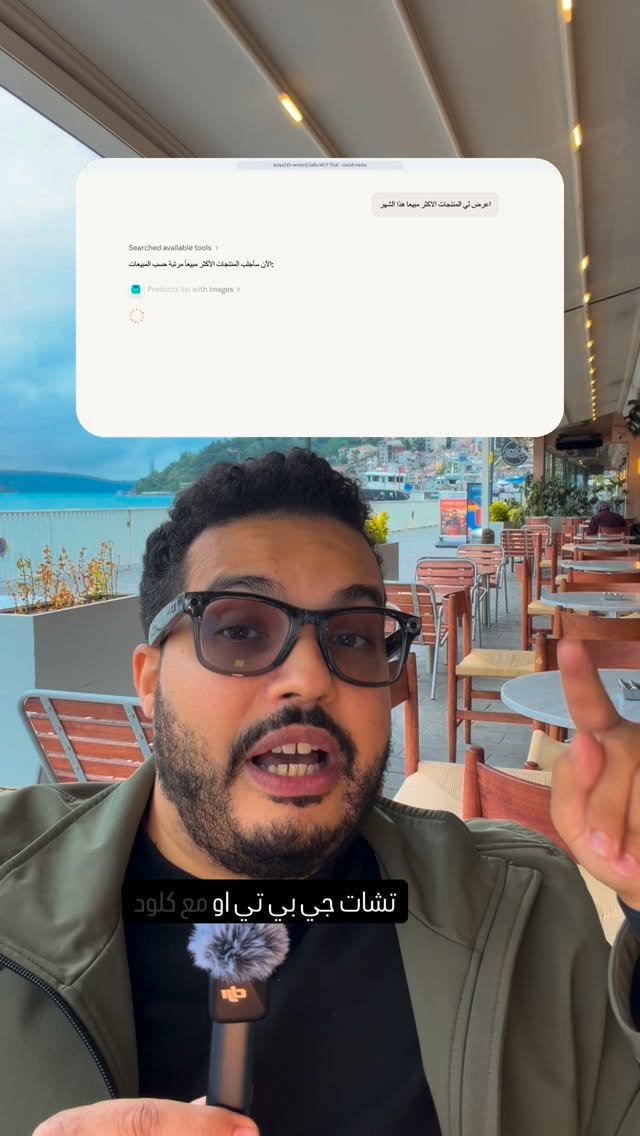
Abdul Osama (عبدول أسامة) argues that repeatedly explaining a project from scratch is not the best way to work with an AI agent. Instead of focusing only on prompt wording, he recommends giving the agent relevant project context before making a short request.

Key takeaways

  • The point is not to abandon instructions; it is to avoid re-explaining the project for every task.
  • Context engineering selects project information relevant to the request.
  • Marketing work may need brand, audience, market and goal information.
  • Software work may need code, project structure and previous fixes.
  • A large context window does not give an agent automatic access to private data.

The short answer

Abdul Osama is not saying to stop giving AI instructions. His point is to stop starting every task from zero. Context engineering means selecting relevant project information and making it available to an AI agent so it can interpret a request in light of that information, rather than relying on a polished prompt alone.

Instead of starting every conversation from scratch, there should be full context for the project. — Abdul Osama

From writing prompts to preparing context

Prompt engineering is the practice of shaping instructions for an AI model. An AI agent is a system that uses a model to carry out tasks with the instructions, context and resources available to it. Abdul says an agent becomes more useful when it already has the project information needed to solve a problem, write an email or draft a marketing plan.

| Approach | What informs the response | | --- | --- | | A chat started from scratch | The current request and whatever you explain in that conversation | | An agent equipped with project context | The current request plus relevant project information |

Depending on the task, Abdul suggests providing project documentation, brand information, target-audience details and past customer conversations. For software projects, he adds the code, project structure, previous problems and how they were solved. Market, competitor, pricing and goal information can also help make a response specific to the business.

His distinction is that context engineering does not mean giving an agent everything you have. It means choosing what is relevant, so a short instruction such as “write this email” can produce work grounded in the project rather than a generic template.

In numbers

  • Abdul contrasts the prompt-writing approach common in 2024 or 2025 with the approach he advocates in 2026.
  • He says some models' context windows can reach a million tokens or more; this is not a fixed capability of every model.

Background

A context window is the amount of text and other information a model can handle within its technical limits for a request. A large window does not automatically give an agent access to your files or customer conversations. That information must be made available with appropriate permissions and attention to privacy.

What to do next

Define the task, then select only the documents and details it needs. Abdul mentions ChatGPT, an AI chat assistant, and Claude, another AI assistant, as examples when discussing where to learn context engineering.

Questions and answers

Does Abdul mean I should stop writing prompts entirely?

No. His point is that an instruction is more useful when paired with relevant project context.

How is context engineering different from prompt engineering?

Prompt engineering focuses on wording instructions. Context engineering focuses on preparing the relevant information a model needs to understand the task within a project.

What project information does he suggest providing?

He mentions documentation, brand and audience information, and customer conversations. For software, he also mentions code, project structure and previously solved problems. Select what the task needs.

Does an AI agent already know my project?

No. As background, an agent needs access to the appropriate information; permissions and privacy still matter.

Sources and tools mentioned

Full transcript

مشكلتك إنك لسه بتكتب prompts في 2026. في 24 أو 25 كان ده الطبيعي. كنا بنتعلم prompt engineering، وإزاي تكتب prompt حلو. كل كلمة كانت محسوبة، وكل سطر كان لي معنى، وكان فيه تكنيكس لكتابة الprompt إلى آخره. وده كان الطبيعي، لأنه وقتها الـ AI كان بيعتمد بشكل كبير على اللي إنت بتقولهوله بس. دلوقتي الدنيا اختلفت. إحنا أصلاً ما بقيناش بنكلم chat bot. إحنا بقينا بنتعامل مع AI agent. والفرق كبير. الagent مش المفروض كل مرة تفتح له chat جديد، وتشرح له إنت عايز إيه منه من الأول. المفروض يبقى فاهم المشروع أصلاً. المفروض الagent بتاعك يبقى قاري documentation، عارف الbrand، عارف الجمهور المستهدف، وعارف المحادثات اللي حصلت مع العملة بتوعك حديثاً وزمان. لو المشروع بقى برمجي، المفروض كمان يبقى عارف الكود بتاعك، هيكل المشروع، المشاكل اللي حصلت قبل كده وإنت حلتها إزاي. يعني بدل ما تبدأ كل محادثة من الصفر، يبقى فيه سياق كامل للمشروع. أي طلب تقولهوله، يفهمه في ضوء السياق ده. وده ممكن لأن النمازج دلوقتي بقت عندها سياق ضخم جداً. بعندها حاجة اسمها الcontext window، بيوصل لمليون token أو أكتر. وده الفرق ما بين الagent وما بين chat بيفتكر بس الconversation ده شوي مع شوي training زمان عملنهوله على المعلومات العامة. ساعتها لما تكتب للagent بتاعك اللي عارف سياق المشروع حل المشكلة دي أو اكتب الemail ده أو اعمل خطة تسويقية فهو مش بس واخد أمرك، هو واخد أمرك زائد السياق بتاع المشروع. وبالتالي هو يقدر يعمل لك حاجة فيها الprompt بتاعك زائد السياق فيطلع لك حاجة customized. ماشي على السوق اللي انت شغال فيه، المنافسين والتسعير والأهداف فيطلع لك نتيجة مبنية على واقع مشروعك. مشروعك مش template بتاع chat GPT بيطلعه لأي حد. السر الحقيقي دلوقتي ما بقاش فيه الprompt engineering هو بقى في حاجة جديدة اسمها الcontext engineering لأنه برضو الcontext engineering مش أنك تديله كل حاجة عندك وخلاص أنك تديله الحاجات relevant اللي يقدر على أساسها بكلمة واحدة يطلع لك اللي انت عايزه بالضبط. لو عايز تتعلم إزاي تعمل context engineering صح على chat GPT أو cloud أو الAI agency الopen source بتاعك فردوا بقى تعليق وأبعتولك على الخاص. أنا عبدالله سامة تابعوني عشان تعرفوا كل جديد في الذكاء الصناعي والتسويق.

Abdul Osama
About the author

Abdul Osama (عبدول أسامة) is an Egyptian entrepreneur and marketer, founder of the ASPIRED agency, who explains AI, marketing and business in Arabic.

This text was written with AI from the video and may contain small transcription errors. · Markdown version

WhatsApp community

Join Abdul's WhatsApp updates

Leave your name and WhatsApp number. Whenever something big happens, you hear it first: new courses, tools, live sessions and the very special updates.

Detected: United States. Change the code if your number is from another country.

Ask AI about me