Why the interest in cybersecurity?
Abdul Osama (عبدول أسامة) points to two sources of software vulnerabilities: new code developed quickly without enough review, and older software with flaws that went unnoticed. He says newer AI models can also find those flaws, making AI part of the problem and a potential part of the solution.
Cybersecurity means protecting software, systems and data against vulnerabilities and attacks. Artificial intelligence (AI), in this discussion, helps people write or examine software.
The two sources of vulnerabilities
- New software: Developers may use AI to build software quickly but fail to review the result closely enough, leaving vulnerabilities.
- Legacy software: Existing programs may contain hidden bugs and vulnerabilities that newer models can now detect.
“Newer models can now find these errors.” — Abdul Osama
Which companies does he mention?
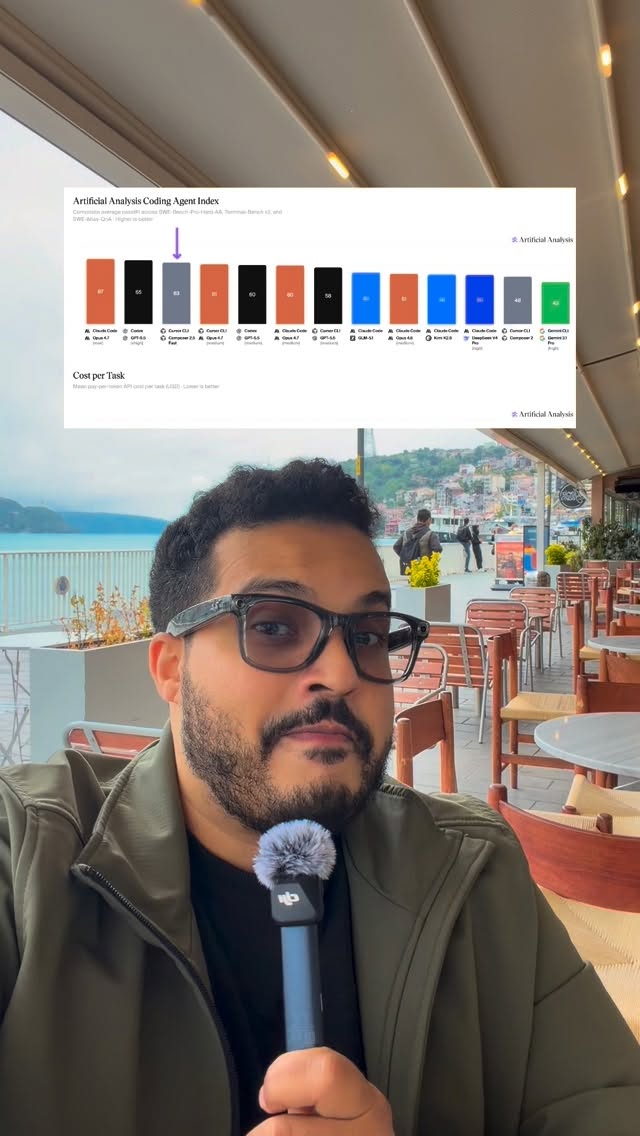
Anthropic and OpenAI are AI model companies. Cursor is an AI-assisted code editor. Abdul says all three are moving toward security solutions for enterprises and for individuals who build software with AI. He refers to vibe coding: building software while relying heavily on AI tools directed through prompts. The video does not name particular security products or describe their features.
In numbers
- Three companies: Anthropic, OpenAI and Cursor.
- Three or four days: Abdul’s description of how close together these moves occurred, not a verified launch timeline supplied by the video.
What to do next
If you use AI to write software, treat its output as code that still needs review and security testing. That is a practical implication of the point, not a guarantee that every vulnerability will be found.
 Cursor