Every video, with its transcript and breakdown.
AI, marketing and business in Arabic: the video, and everything said in it, written down and organised.
Latest posts
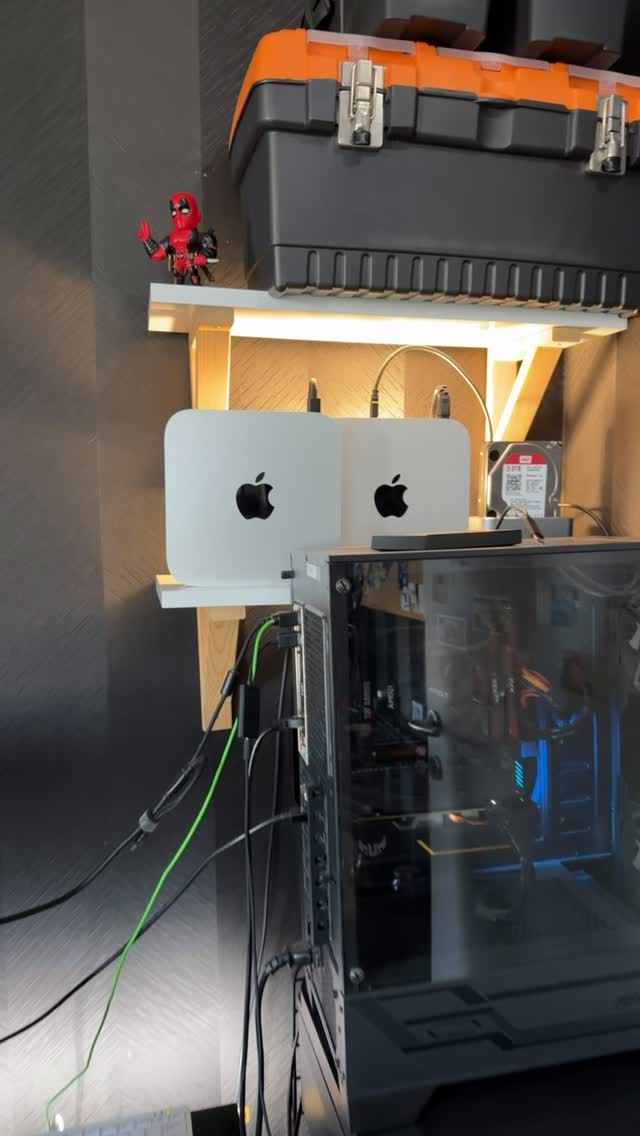
Using Raspberry Pi and Mac mini for AI assistants
Abdul Osama (عبدول أسامة) says he started by running an AI agent on a Raspberry Pi, then added a Mac mini connected to an old hard drive. The experiment grew into a personal assistant, a media server and an assistant for his agency team, but the video does not explain how to build them.
How to Generate AI Images with Seedream
Abdul Osama (عبدول أسامة) presents Seedream as an AI image tool: find it, enter a description, and wait for the image. He recommends it for posters that need readable text and describes access as free and unlimited, though those terms should be checked before relying on them.

Abdul Osama Reacts to Ahmed Abouzaid’s Follow
Abdul Osama (عبدول أسامة) welcomes Ahmed Abouzaid’s Instagram follow, thanks him, and hopes he likes the content. He jokingly guesses that the app may have suggested his videos, without claiming to know how Ahmed found them.

Does AI Let You Work on the Move?
Abdul Osama (عبدول أسامة) pushes back on the idea that AI will keep people at home. He describes checking a project running on Claude from his phone while in a car, and filming himself with glasses; it is his personal example, not a claim that everyone can work this way.
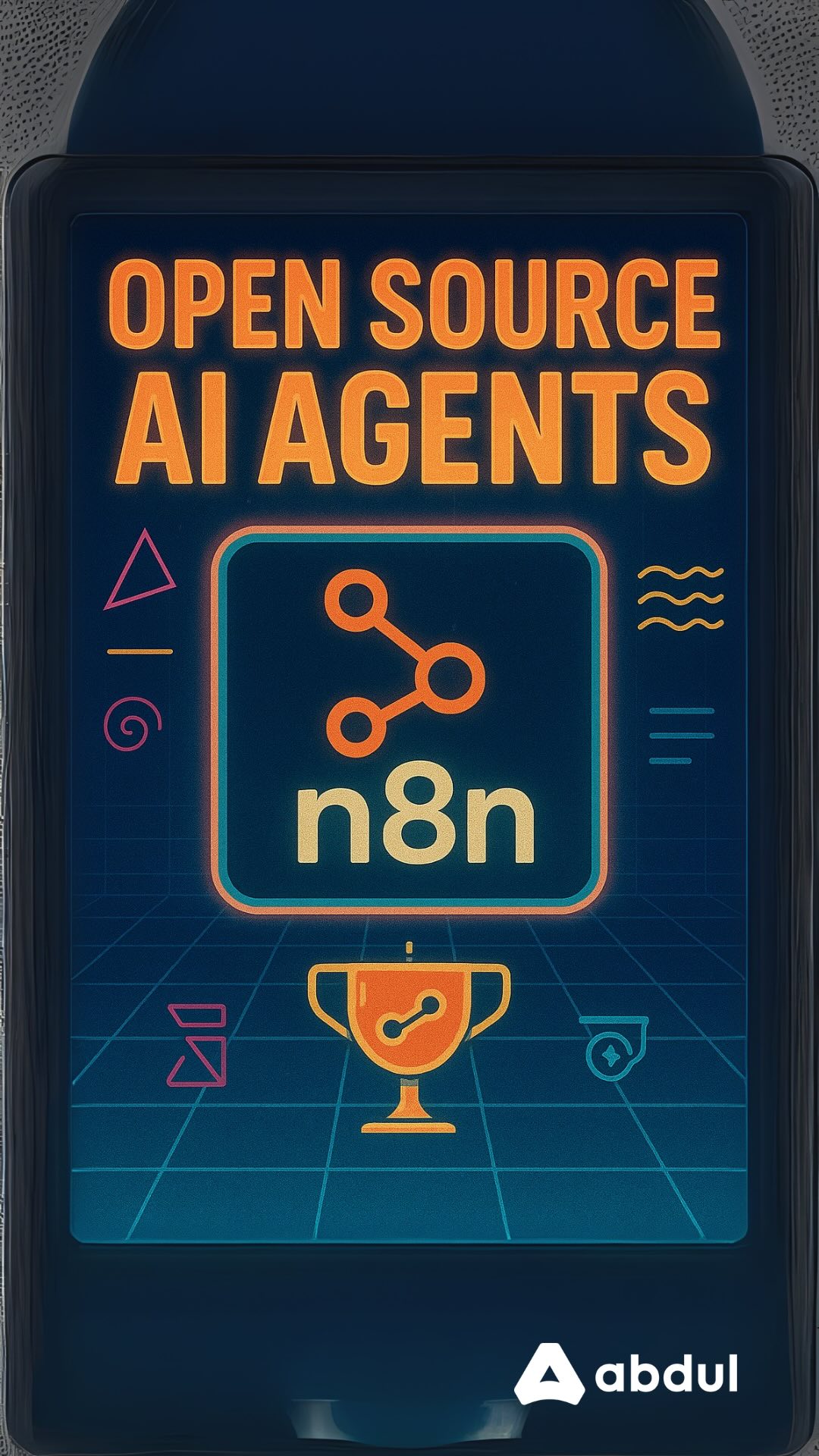
Run n8n AI Agents Locally with Docker
Abdul Osama (عبدول أسامة) explains how to start running n8n on your computer with Docker and use it to build AI agents for messages, data analysis, or automation. Running the platform locally does not necessarily make connected AI models or services free or independent of external servers.

A Humorous ChatGPT Voice Conversation
Abdul Osama (عبدول أسامة) presents a comic scenario in which a spoken exchange with AI sounds like a personal conversation to someone listening nearby. The caption refers to ChatGPT Voice, but the clip does not explain how to use it or identify a specific update.

What Is the Terminal? A Beginner’s Guide
The terminal is a text-based way to interact with a computer by typing commands rather than using a mouse. Abdul Osama (عبدول أسامة) says its unfamiliar screen can intimidate non-programmers and suggests describing the problem to an AI assistant when you get stuck.

How AI Is Changing Developers’ Work
Abdul Osama (عبدول أسامة) recounts a developer’s account of getting what he needed for a CRM feature from Claude quickly, then feeling that the satisfaction of solving the problem himself had faded. Abdul’s point is that developers’ skills still have value, but how they use those skills is changing as the market prioritizes results and speed.

Can Humanizer Make AI Writing Undetectable?
Abdul Osama (عبدول أسامة) mentions a GitHub skill called Humanizer and suggests asking an AI agent to use it to rewrite exam answers or study material. He claims AI-writing detectors will not identify the result, but provides no test to support that claim. His closing advice is to study, not cheat.
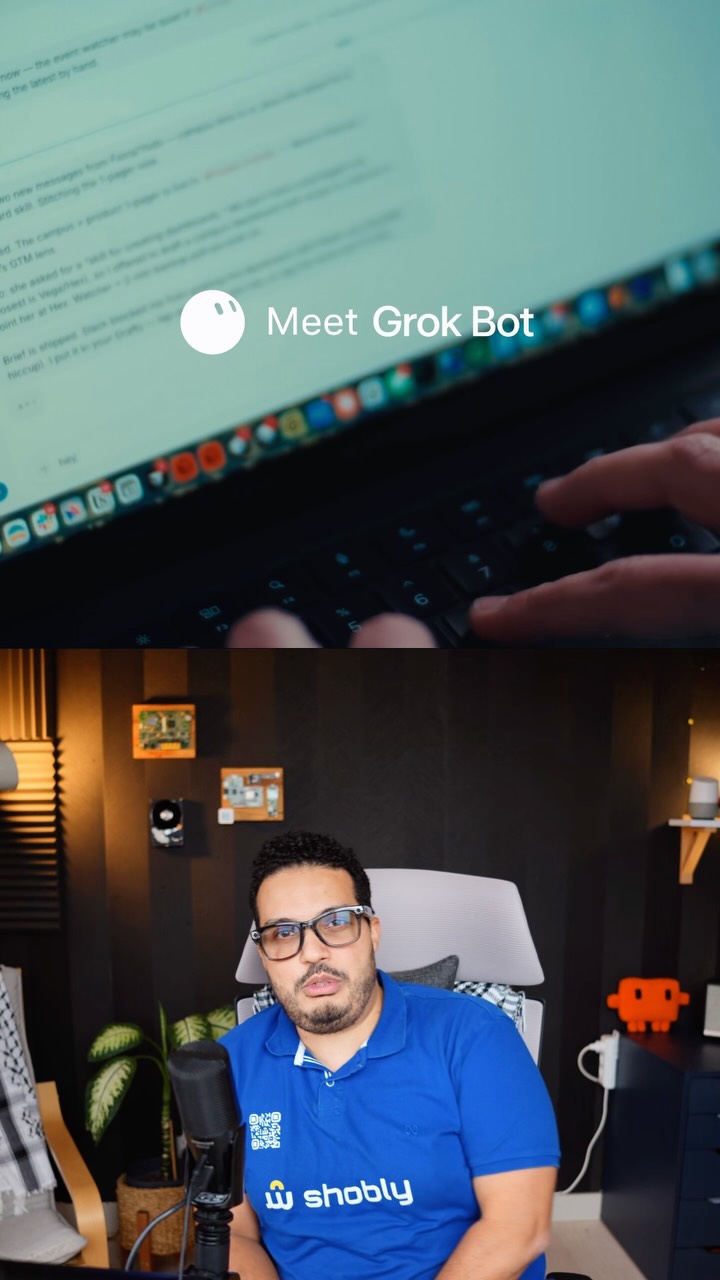
Using Grok AI agents without complex setup
Abdul Osama (عبدول أسامة) considers Grok a good option for someone who wants an AI agent on a phone or desktop without setting one up from scratch. He describes tasks he would like to delegate, including email, files and reports, but the video does not establish that every integration he mentions is available.

How to Connect Business Data to AI for Analysis
Abdul Osama (عبدول أسامة) argues that AI is more useful to a business when it can analyze the company’s own data rather than operate on its own. Connecting sales and customer systems lets decision-makers ask more focused questions about results, department performance, and where to direct effort.

Repurposing an Old Alexa, Camera, and Phones
Abdul Osama (عبدول أسامة) says he repurposed an old Amazon Alexa device into an open-source project he can talk to and connect to other equipment. He also wants to experiment with an old phone that an AI agent could use to call him, and with a door camera he previously replaced. The video does not provide setup instructions.

How to Learn AI by Experimenting
Abdul Osama (عبدول أسامة) recommends learning AI tools by choosing an enjoyable goal and experimenting with the tools, even when attempts fail. Courses, articles, and videos can teach the basics, but they should not replace hands-on practice.

The Spinning Plates Approach to Projects and Life
Abdul Osama (عبدول أسامة) compares projects and areas of life to spinning plates that need another push before they fall. His point is to return to each responsibility as needed rather than give all your attention to one and neglect the rest.

How to Sell AI Services to Local Businesses
Abdul Osama (عبدول أسامة) suggests starting with useful AI-assisted services for small businesses nearby rather than waiting for a big startup idea. Identify a specific need—such as an outdated website or an unorganized workflow—and offer something you can deliver well.

Repurposing an Alexa Device With AI
Abdul Osama (عبدول أسامة) suggests turning an unused Alexa device into a hands-on AI project. He says he connected one to a computer over USB, experimented with an AI coding assistant, installed Android, and explored voice interaction; the video does not establish that those steps work on every device.

How to prepare a website for AI search
Abdul Osama (عبدول أسامة) recommends making a website easier for AI tools to find and read as a way to improve its chances of appearing in their answers. He describes a free check that scores a site after a few questions, plus an optional, more detailed report for a developer.

Claude credits for cloud development sessions
Abdul Osama (عبدول أسامة) says existing Claude subscribers can claim $100 in credit on Pro or $250 on a plan he calls “Pro Max” to run development sessions in the cloud rather than on their own devices. He says to claim it before October 7; check the official plan name, eligibility and credit terms before relying on the offer.


